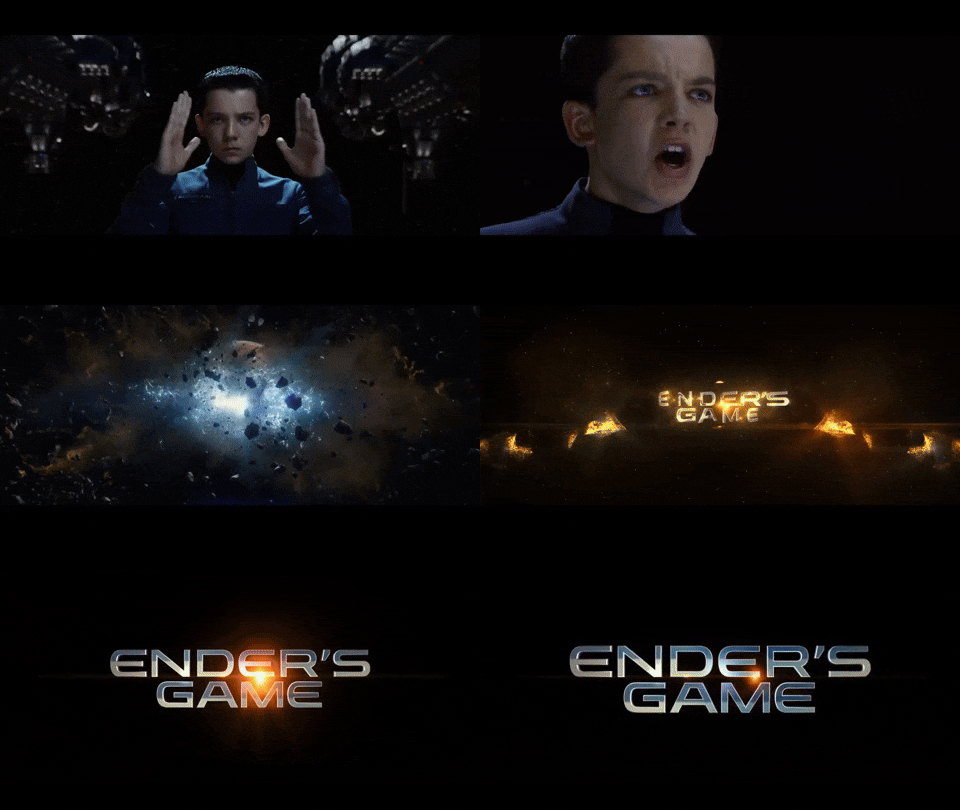
Ender’s Game, the classic science fiction novel by Orson Scott Card, is a thought-provoking tale that raises several ethical considerations. The story revolves around young Andrew "Ender" Wiggin who is trained to become a military genius and lead Earth's forces against an alien race known as Formics.
One of the primary ethical dilemmas in Ender’s Game is the use of children for warfare purposes. This raises questions about whether it is morally acceptable to exploit innocent minds for such brutal ends, especially when they lack full understanding and consent. The novel also explores themes like loyalty, obedience, and betrayal within military institutions which can lead readers to ponder on the nature of authority and its potential misuse.
Furthermore, Ender’s Game delves into questions about warfare itself - is it ever justified? What are the consequences of winning a war at any cost? These themes make this novel an excellent platform for discussing complex ethical issues that continue to be relevant today. It serves as a reminder that even in times of crisis, we must consider our actions and their impact on humanity.
In conclusion, Ender’s Game offers readers a chance to grapple with various ethical considerations related to warfare, authority, and human nature. Its thought-provoking narrative encourages us to reflect upon the moral implications of our decisions, making it an essential read for anyone interested in exploring these themes further.